The Art of Solo Photography: Finding Your Unique Style


Understanding Solo Photography
Solo photography is more than just taking pictures when you're alone—it's an art form that allows you to explore your creativity and express your unique vision. Whether you're using a smartphone or a professional camera, the goal is to capture images that resonate with you and tell your story.
One of the main advantages of solo photography is the freedom it provides. You can explore new techniques, experiment with different subjects, and develop your style without any constraints. This journey towards discovering your unique style is both rewarding and challenging.
Exploring Different Techniques
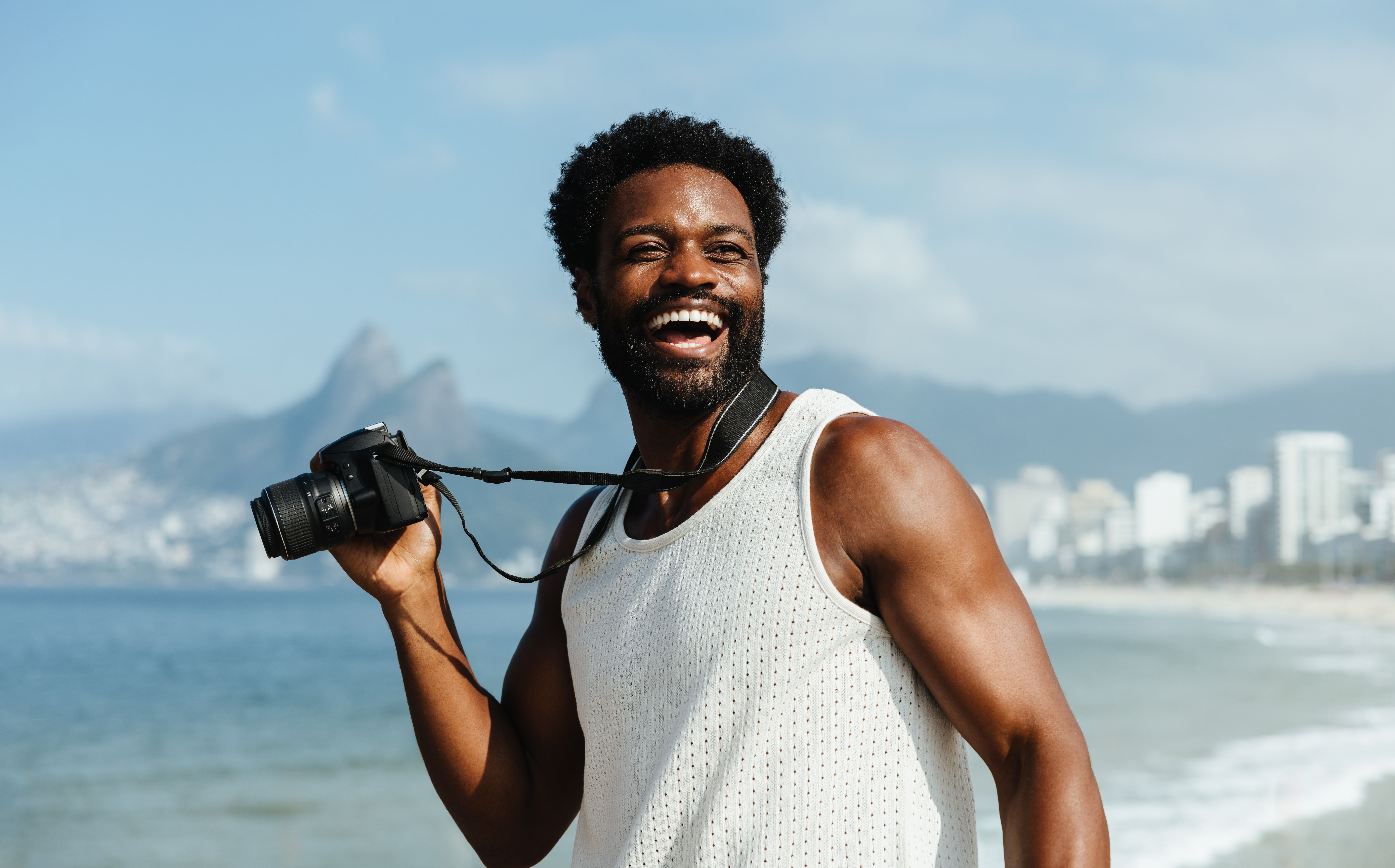
To find your unique style, it's essential to experiment with various photographic techniques. Consider trying out different genres such as landscape, portrait, or street photography. Each genre offers its own set of challenges and opportunities to express yourself.
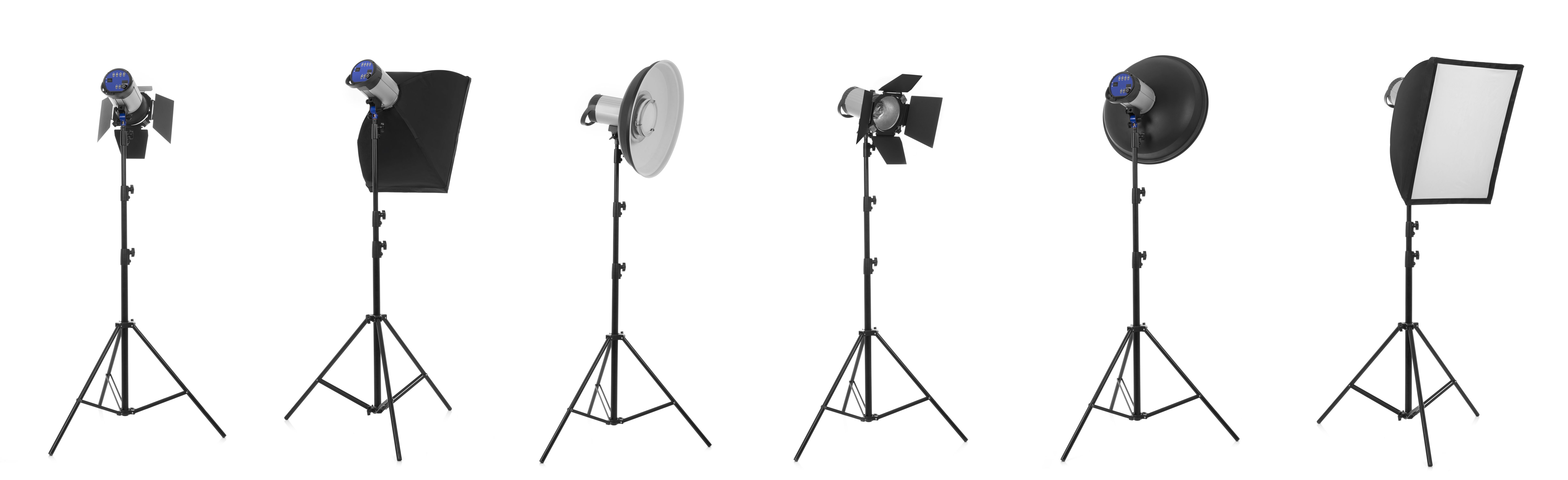
Experimenting with lighting is another way to enhance your photography skills. Play with natural light, artificial light, and shadows to see how they affect your images. This experimentation will help you understand what appeals to you most and how you can integrate it into your style.
Developing Your Eye for Detail
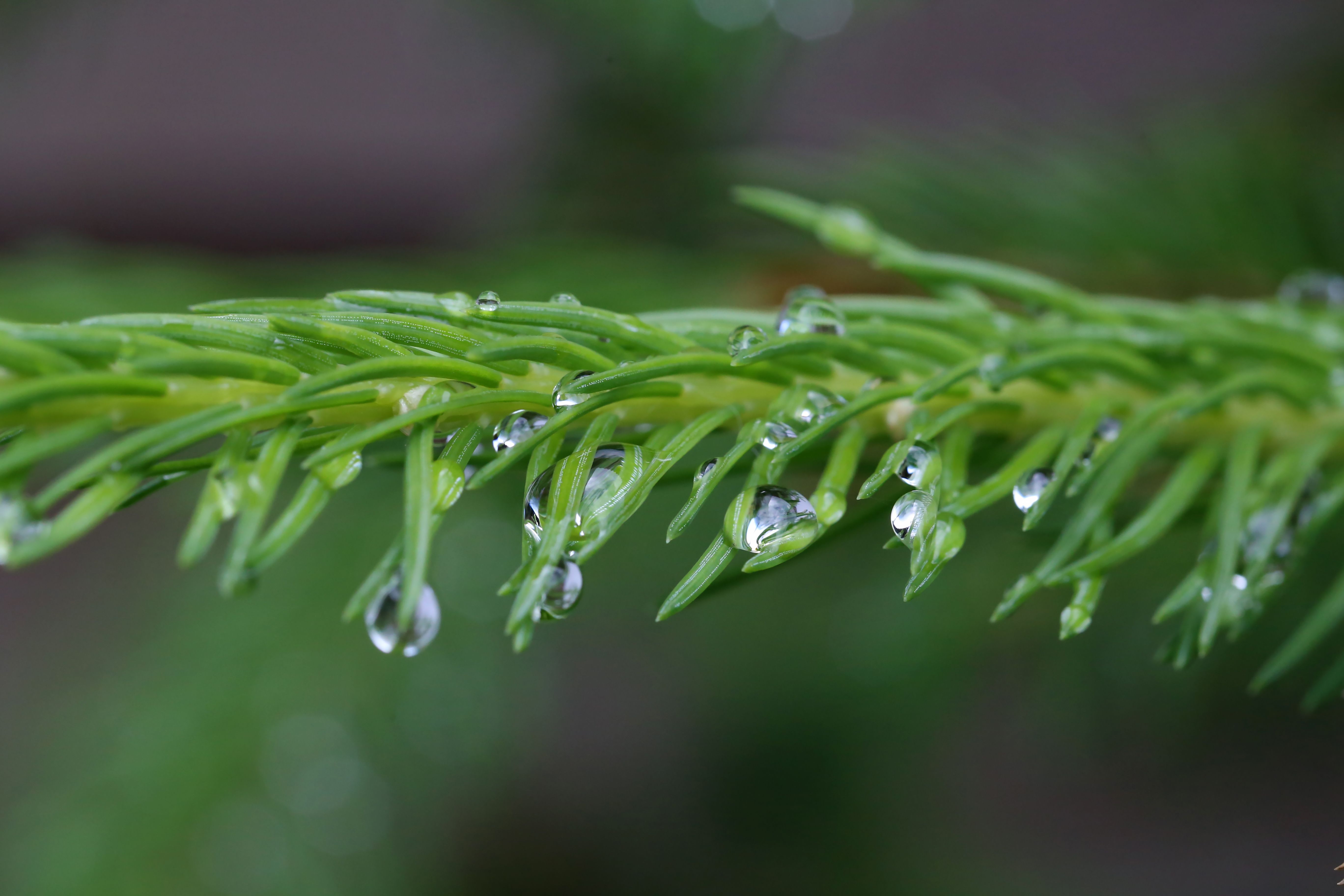
Paying attention to details is crucial in solo photography. Train your eye to notice the small elements that can make a big impact on your photos. This could be anything from interesting textures and patterns to the way light hits a subject at a specific angle.
One effective way to improve this skill is by practicing mindfulness while shooting. Be present in the moment and observe the world around you. This practice will help you capture images that are not only visually appealing but also emotionally engaging.
Editing to Enhance Your Style
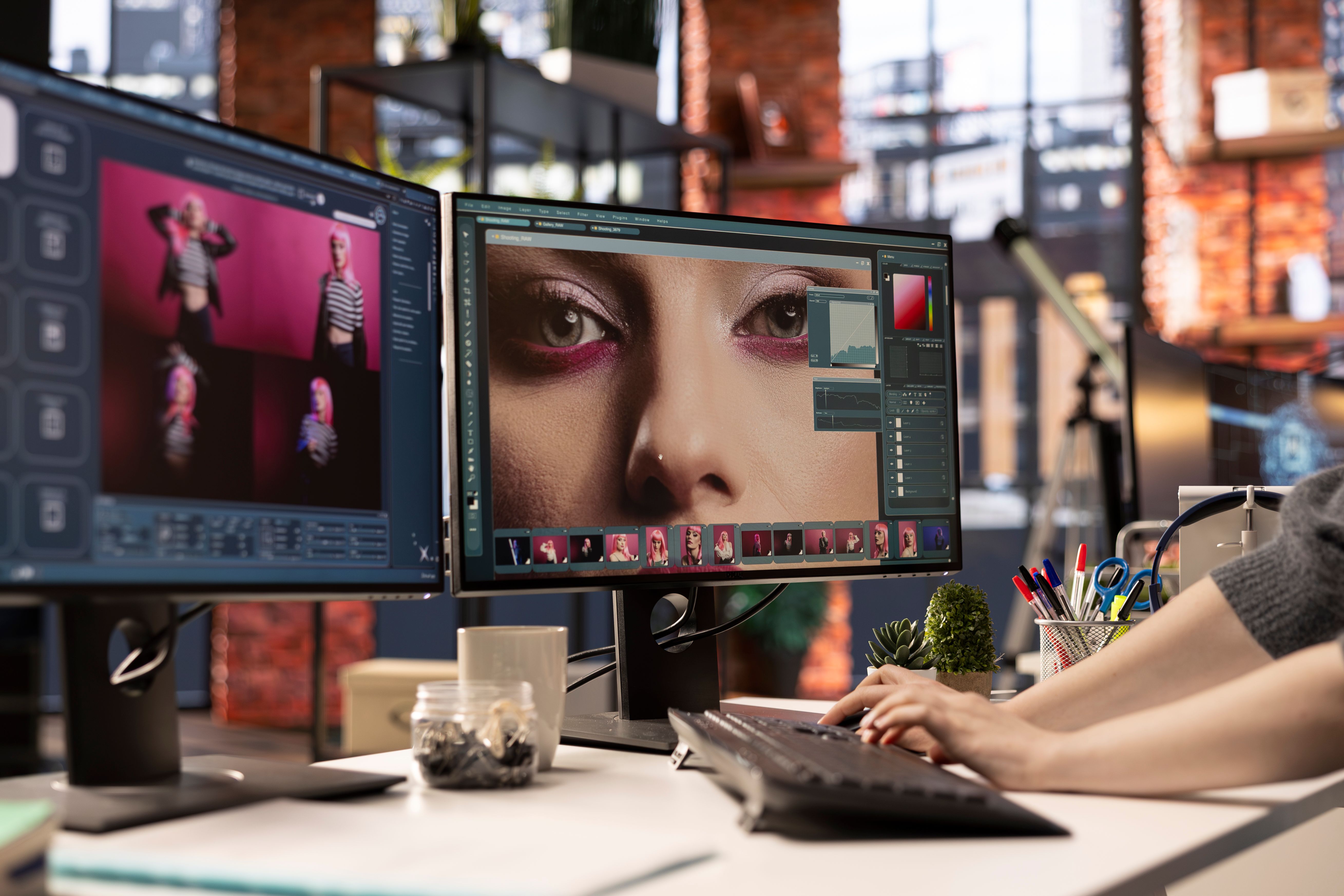
Post-processing plays a significant role in defining your photographic style. Use editing software to enhance colors, contrast, and sharpness in a way that aligns with your vision. However, remember that editing should enhance, not overshadow, the original photograph.
Consider creating a consistent editing workflow that involves a specific set of adjustments. This consistency will help in creating a cohesive portfolio that reflects your unique style and perspective.
Building a Portfolio
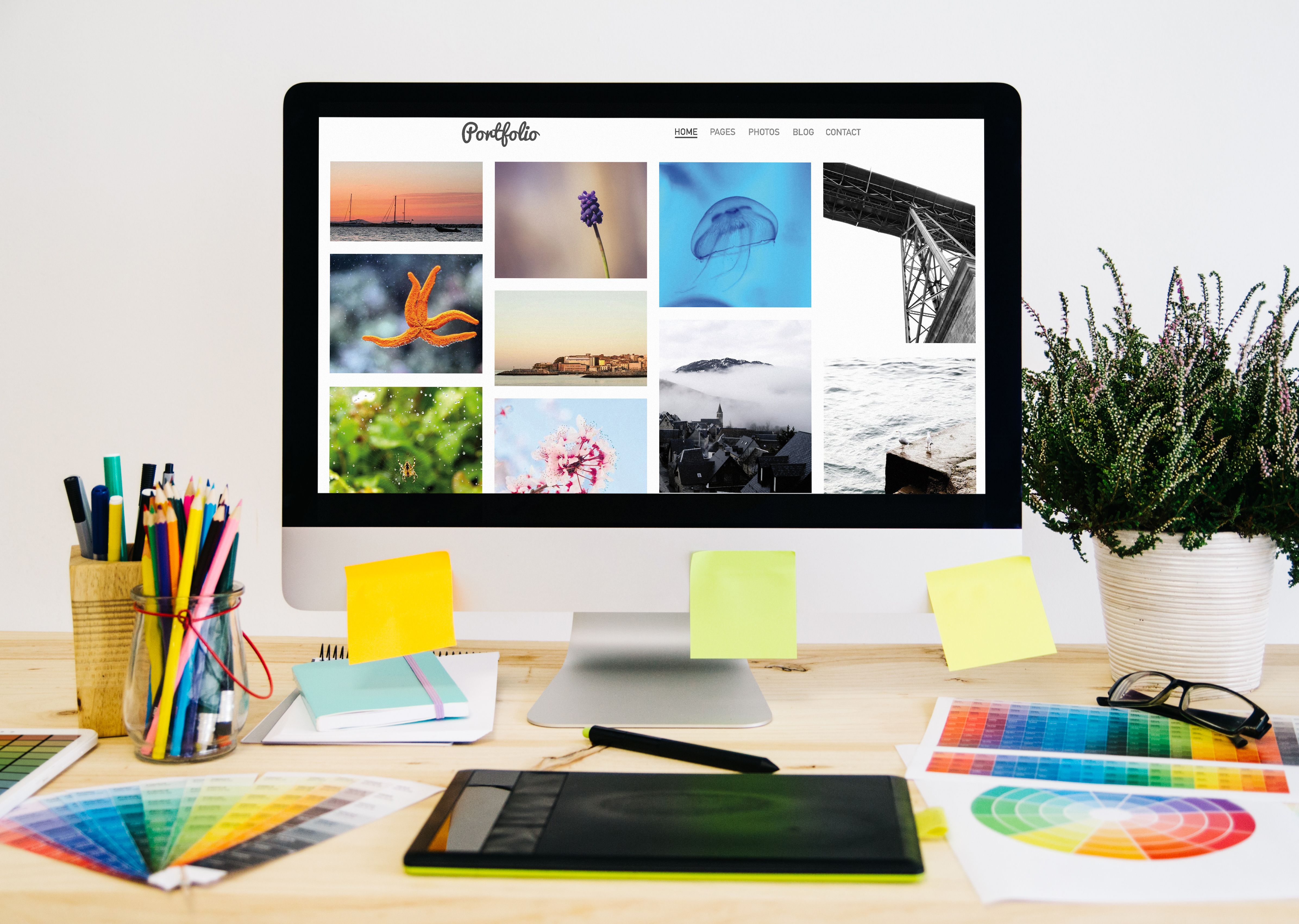
As you develop your style, start building a portfolio that showcases your best work. A well-curated portfolio can be a powerful tool to communicate your artistic vision to others. Include a diverse range of images that highlight different aspects of your style.
Review and update your portfolio regularly to ensure it reflects your current skills and interests. This process will not only help you track your progress but also inspire you to keep evolving as a photographer.
Sharing Your Vision
Once you've developed your style and portfolio, consider sharing your work with a broader audience. Social media platforms, photography forums, and exhibitions are excellent venues to showcase your art and receive feedback.
Engaging with a community of fellow photographers can provide inspiration and support. Constructive criticism can offer new perspectives and help you refine your style further.