Showcasing Your Products: Tips for Effective Product Photography


The Importance of High-Quality Product Photography
In the realm of e-commerce and online retail, first impressions matter. High-quality product photography is not just an option; it's a necessity. A well-captured image can convey professionalism, attention to detail, and trustworthiness, encouraging potential customers to make a purchase.
Good product photography showcases your product's features and highlights its unique selling points. It can also help differentiate your products from those of competitors. Visual appeal plays a significant role in consumer decision-making, making it crucial to invest time and effort in capturing the perfect shot.

Understanding Your Audience
Before setting up your camera, consider your target audience. What are their preferences and expectations? Understanding your audience will guide you in selecting the right style, background, and lighting for your product photos. For instance, a minimalist background might appeal to tech-savvy consumers, while a lifestyle setting could resonate with fashion enthusiasts.
Remember, consistency is key. Ensure that your product images align with your brand’s identity and message. Consistent photography style across all products helps in building brand recognition and trust.
Choosing the Right Equipment
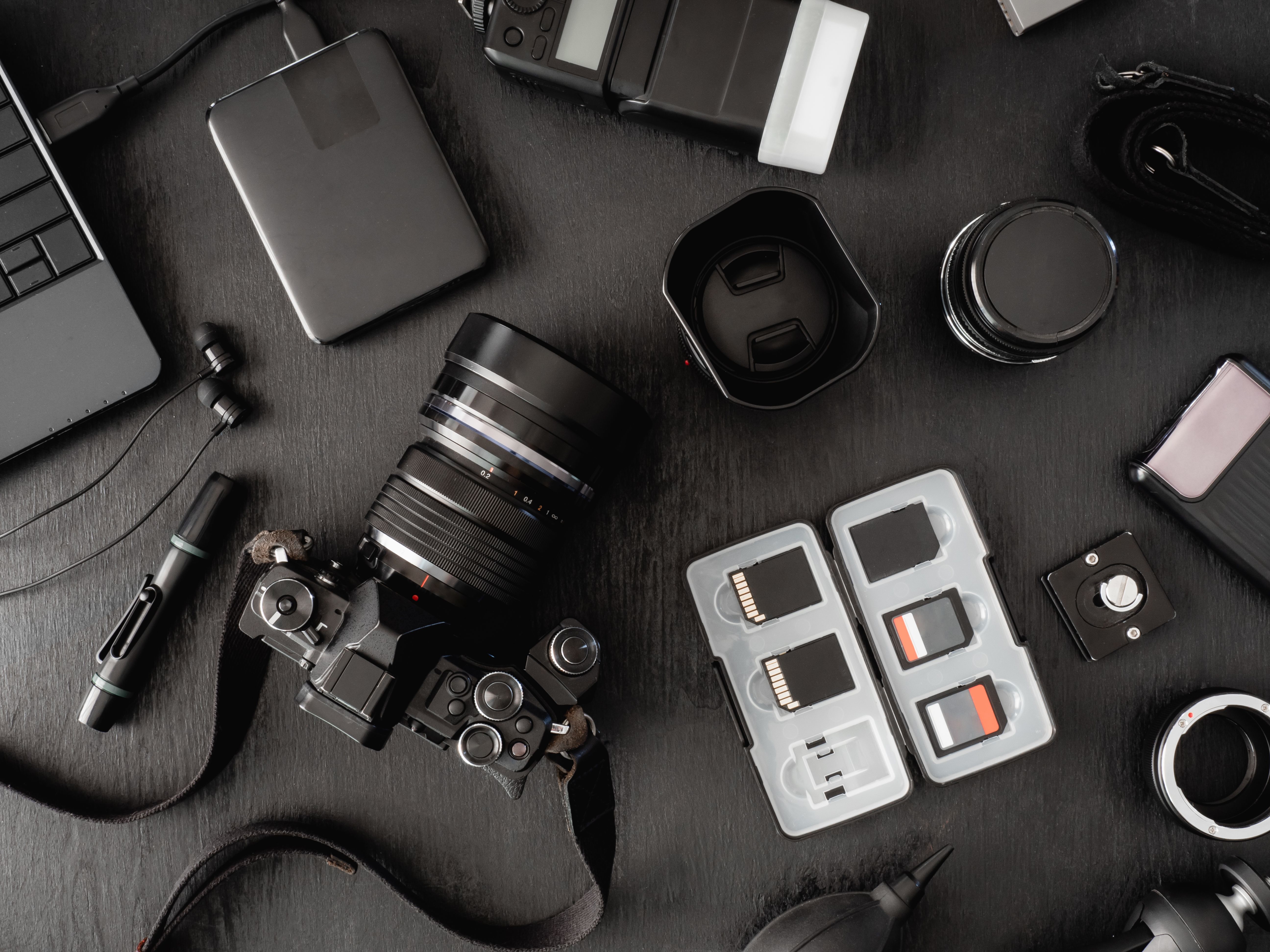
While you don’t need the most expensive camera on the market, investing in a decent DSLR or mirrorless camera can make a significant difference in image quality. Additionally, consider using a tripod to stabilize your shots and achieve crisp, clear images.
Lighting is another crucial element. Natural light is often the best choice, but if that’s not an option, softbox lights can mimic natural lighting conditions, providing an even and flattering illumination for your products.
Setting Up Your Shot
When setting up your shot, pay close attention to the background and props. A cluttered background can distract from the product itself. Instead, opt for a clean, neutral background that emphasizes the product.
- Use props sparingly to enhance the product’s features.
- Experiment with different angles to find the most flattering perspective.
- Consider using a reflector or whiteboard to bounce light onto the product, minimizing shadows and highlighting details.
Editing for Perfection
Post-processing is an integral part of product photography. Editing tools like Adobe Photoshop or Lightroom can help enhance the image’s brightness, contrast, and sharpness. However, it's essential to maintain a natural look. Over-editing can make the product appear unrealistic and may disappoint customers upon delivery.

Showcasing Different Angles and Details
When selling online, customers cannot physically interact with your product, so it's vital to showcase it from multiple angles. Highlighting specific features or details can also help in convincing potential buyers of its quality and functionality.
Consider creating a series of images for each product, including close-ups of unique features and shots from various angles. This comprehensive visual representation can significantly enhance the customer's shopping experience.
Conclusion
Effective product photography is an art that combines technical skills and creativity. By understanding your audience, choosing the right equipment, and setting up the perfect shot, you can create compelling images that drive sales and enhance your brand’s reputation. Remember, every photograph is an opportunity to connect with your audience and showcase the true value of your products.