Food Photography Essentials: Making Your Dishes Look Delicious


Understanding Your Camera
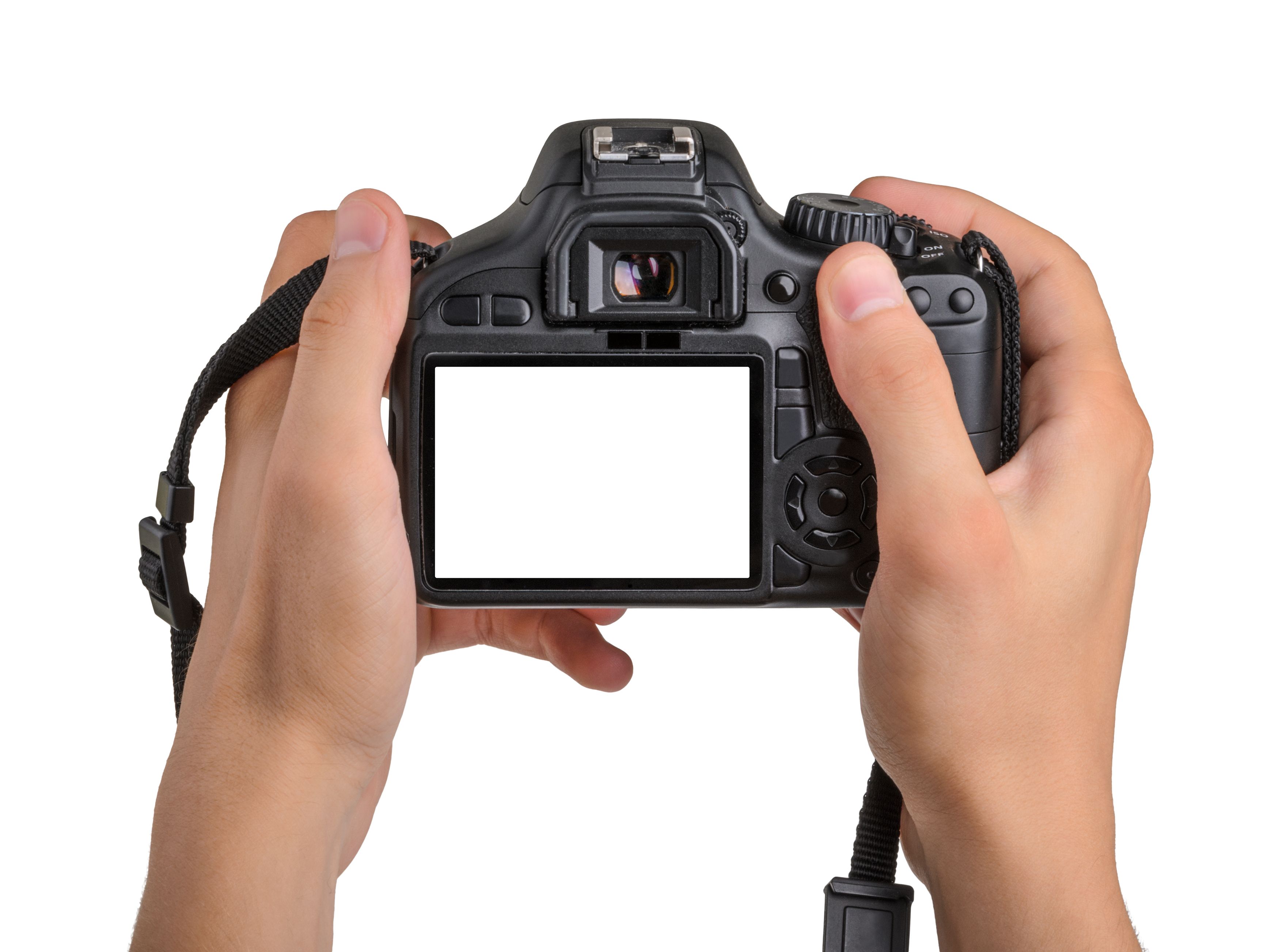
Food photography starts with understanding your camera. Whether you're using a DSLR or a smartphone, knowing the features and capabilities of your device is crucial. For DSLR users, mastering the aperture, shutter speed, and ISO settings can dramatically improve your photos. Smartphone users should explore manual settings or use apps that offer more control over the camera functions.
Lighting is Key
The right lighting can make or break your food photography. Natural light is often the best choice, as it provides soft and even illumination. Place your dish near a window and use reflectors to bounce light into shadows. If natural light isn't available, consider using artificial lighting with softboxes or diffusers to mimic the natural look.
Composition and Styling
Composition is the art of arranging elements in your photo. Use the rule of thirds to create a balanced image, placing the main subject off-center to make it more engaging. Styling your food with props like utensils, napkins, or fresh ingredients can add context and interest. Remember, less is often more; avoid cluttering the frame with too many items.
Choosing the Right Background
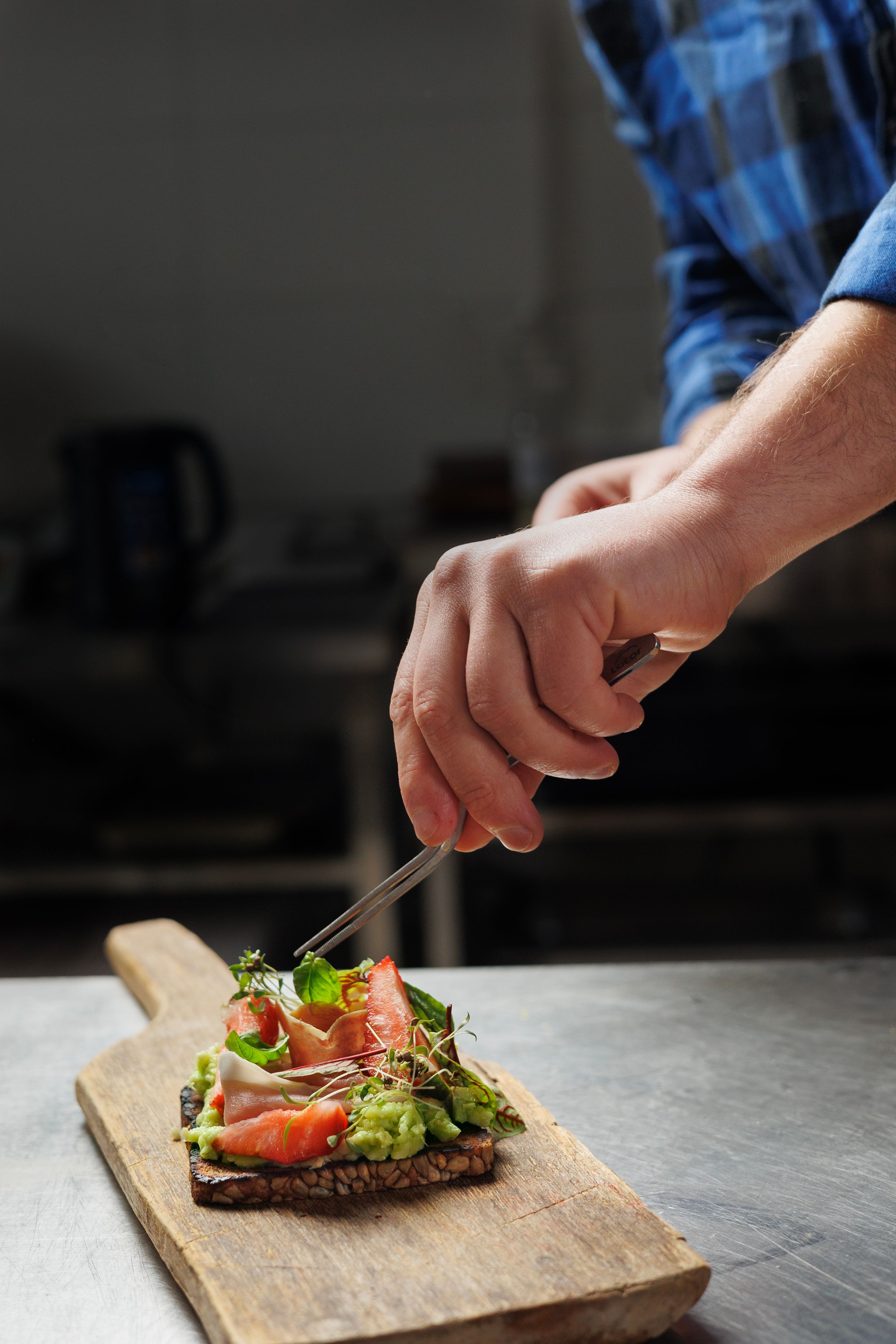
The background plays a significant role in food photography. A good background complements the dish without overpowering it. Neutral tones or wooden textures are often great choices as they add warmth and don't distract from the food. Experiment with different backgrounds to see what works best for your particular dish.
Editing for Perfection
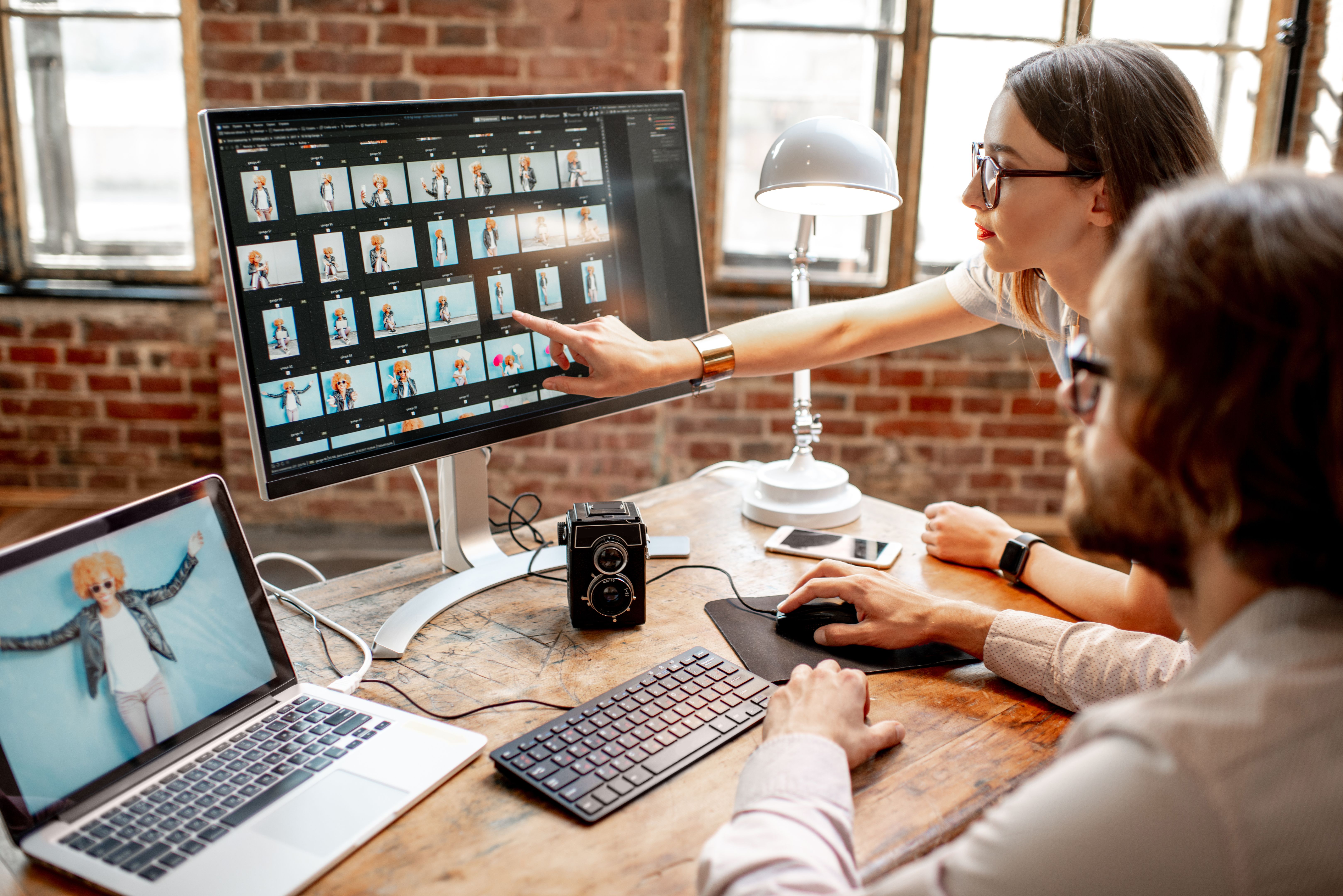
Post-processing is the final step in food photography. Editing software like Adobe Lightroom or Photoshop can help enhance colors, adjust brightness, and sharpen details. Be cautious not to over-edit; maintaining a natural look is essential to making the food appear appetizing.
Experiment and Practice
Food photography is an art that improves with experimentation and practice. Try different angles, lighting setups, and styling techniques to discover what works best for you. Don't be afraid to play around with various concepts and ideas. The more you experiment, the more you'll learn about what makes your dishes look irresistible.
Conclusion
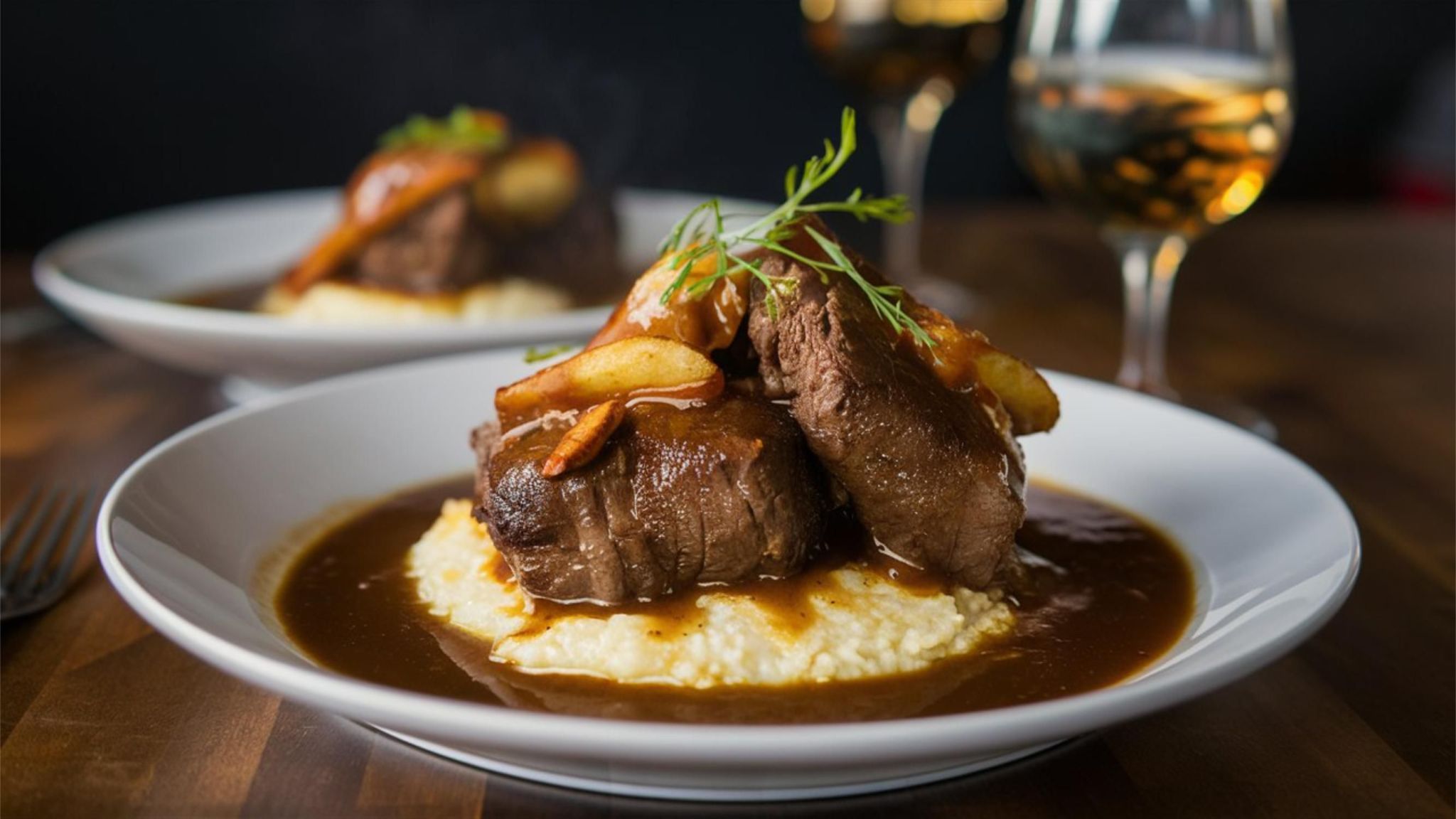
By mastering these food photography essentials, you'll be well on your way to making your dishes look as delicious as they taste. Remember to focus on lighting, composition, and editing to highlight the beauty of your culinary creations. Happy shooting!