Capturing Moments: Portrait Photography Tips for Stunning Results

Understanding the Basics of Portrait Photography
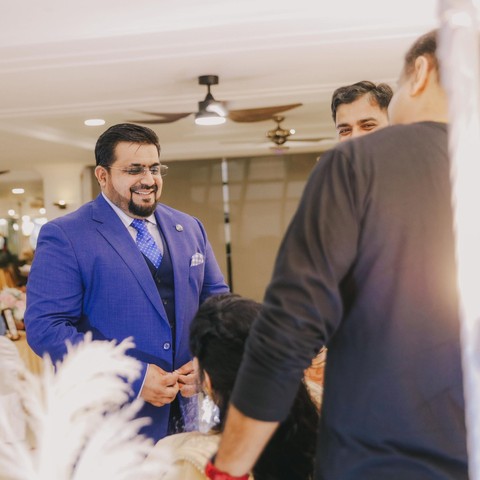
Portrait photography is more than just pointing a camera at someone and clicking the shutter. It’s about capturing the essence and personality of the subject. To start, it's essential to understand the basics of composition, lighting, and camera settings. These foundational elements will set the stage for more creative exploration.
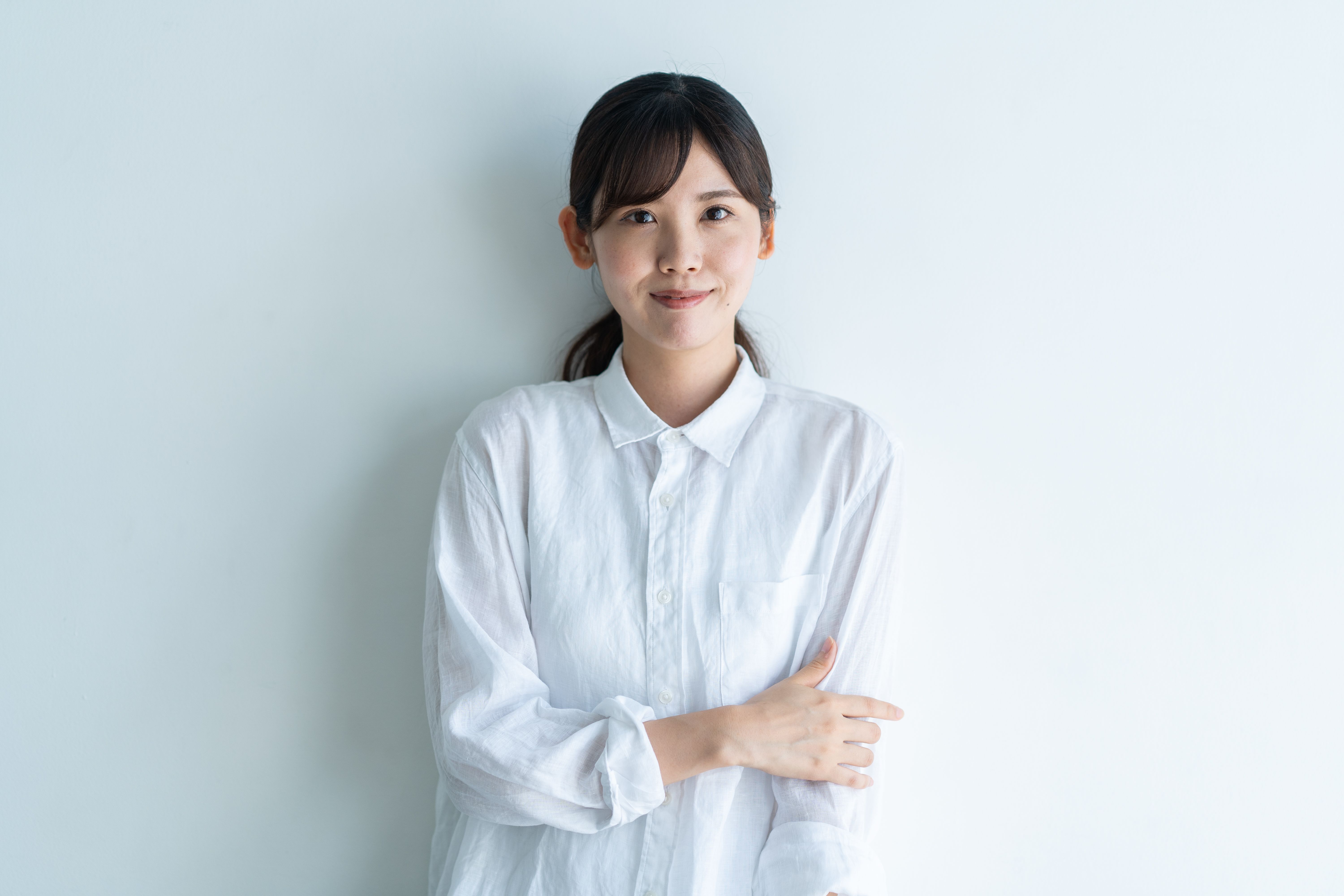
A great portrait begins with strong composition. Consider the rule of thirds, where the subject is placed off-center to create a more dynamic image. Pay attention to the background, ensuring it complements and doesn’t distract from the subject. Mastering these basics can significantly enhance the quality of your portraits.
Lighting: The Key to Stunning Portraits
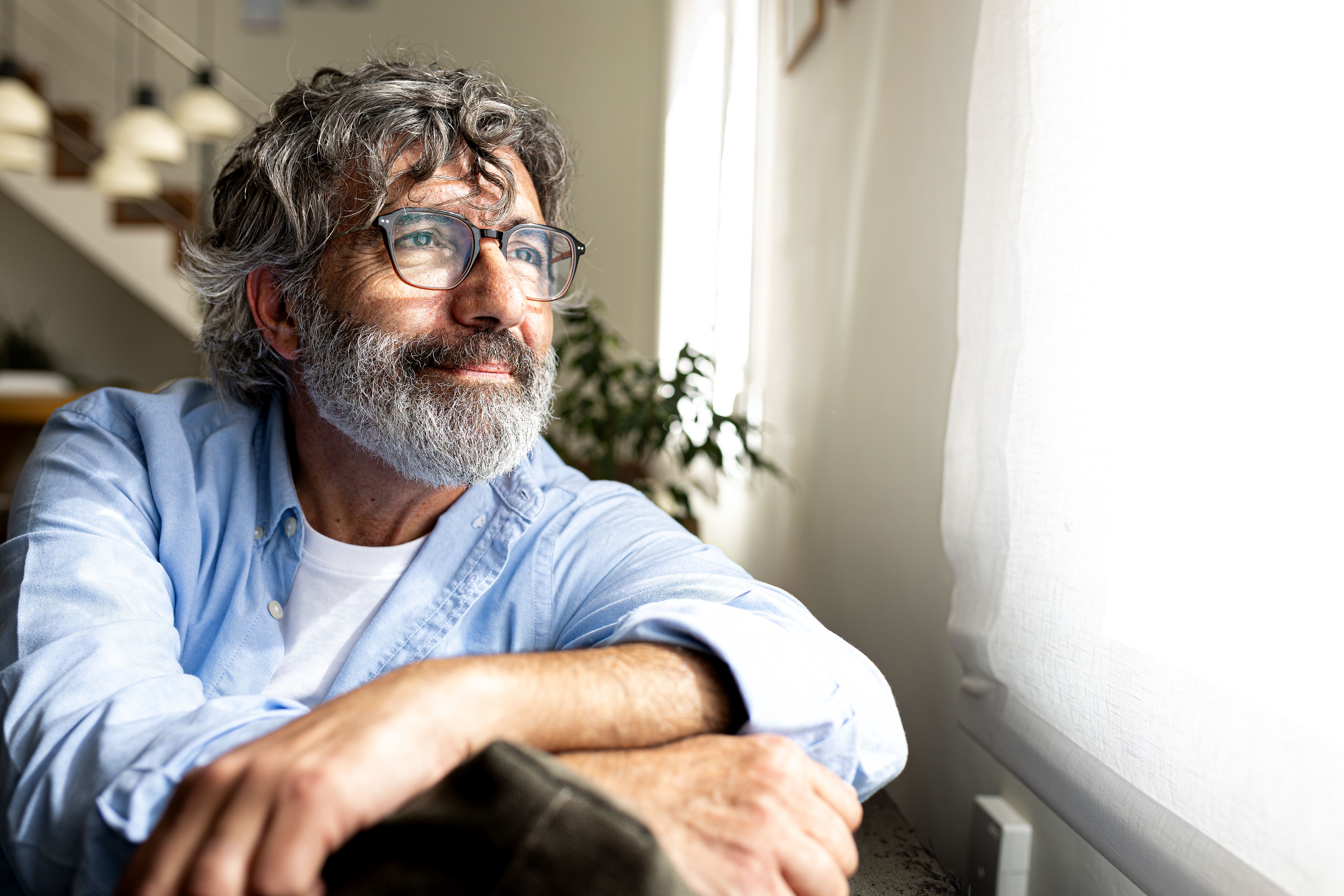
Lighting is crucial in portrait photography. Natural light is often the best choice, especially during the golden hours of early morning or late afternoon. Soft, diffused light can highlight your subject’s features beautifully without harsh shadows.
If you're shooting indoors or in low-light conditions, mastering artificial lighting is essential. You can use reflectors to bounce light and fill shadows, or employ softboxes for even, flattering illumination. Experimenting with different lighting setups can dramatically change the mood and impact of your portraits.
Choosing the Right Equipment
While a good photographer can capture a stunning portrait with any camera, having the right equipment can make the process easier. A DSLR or mirrorless camera with a fast lens (like a 50mm f/1.8) is ideal for portraits. This setup allows for a shallow depth of field, which helps blur the background and make the subject stand out.
Don’t forget about accessories like tripods and external flashes, which can provide stability and additional lighting options. Investing in quality equipment can enhance your photography and provide more creative flexibility.
Engaging with Your Subject
One of the most important aspects of portrait photography is the interaction between the photographer and the subject. Building a rapport and making your subject feel comfortable is crucial for capturing natural expressions. Take the time to talk to your subject, understand their story, and make them feel at ease.
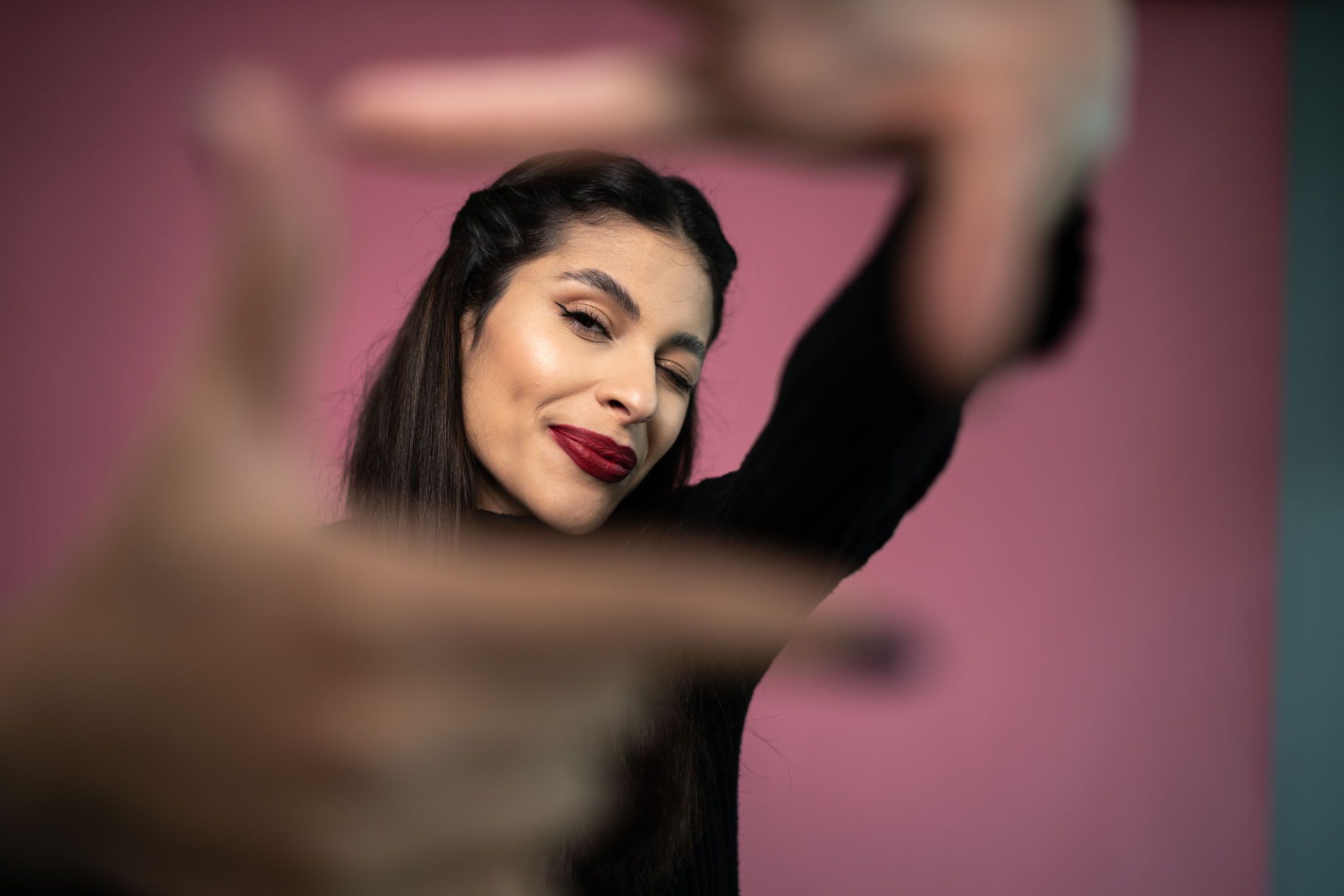
Encourage your subject to move and experiment with different poses. This approach helps capture genuine emotions and expressions that make for compelling portraits. Remember, a relaxed and comfortable subject often translates to a more authentic photograph.
Post-Processing and Final Touches
After capturing your images, post-processing can enhance and refine the final results. Use editing software to adjust exposure, contrast, and color balance. Subtle enhancements can bring out the best in your portraits without making them look overly processed.
Consider converting some images to black and white for a classic, timeless feel. Cropping can also help improve composition by removing distractions and focusing the viewer’s attention on the subject. Post-processing is your opportunity to add a personal touch and professional polish to your work.
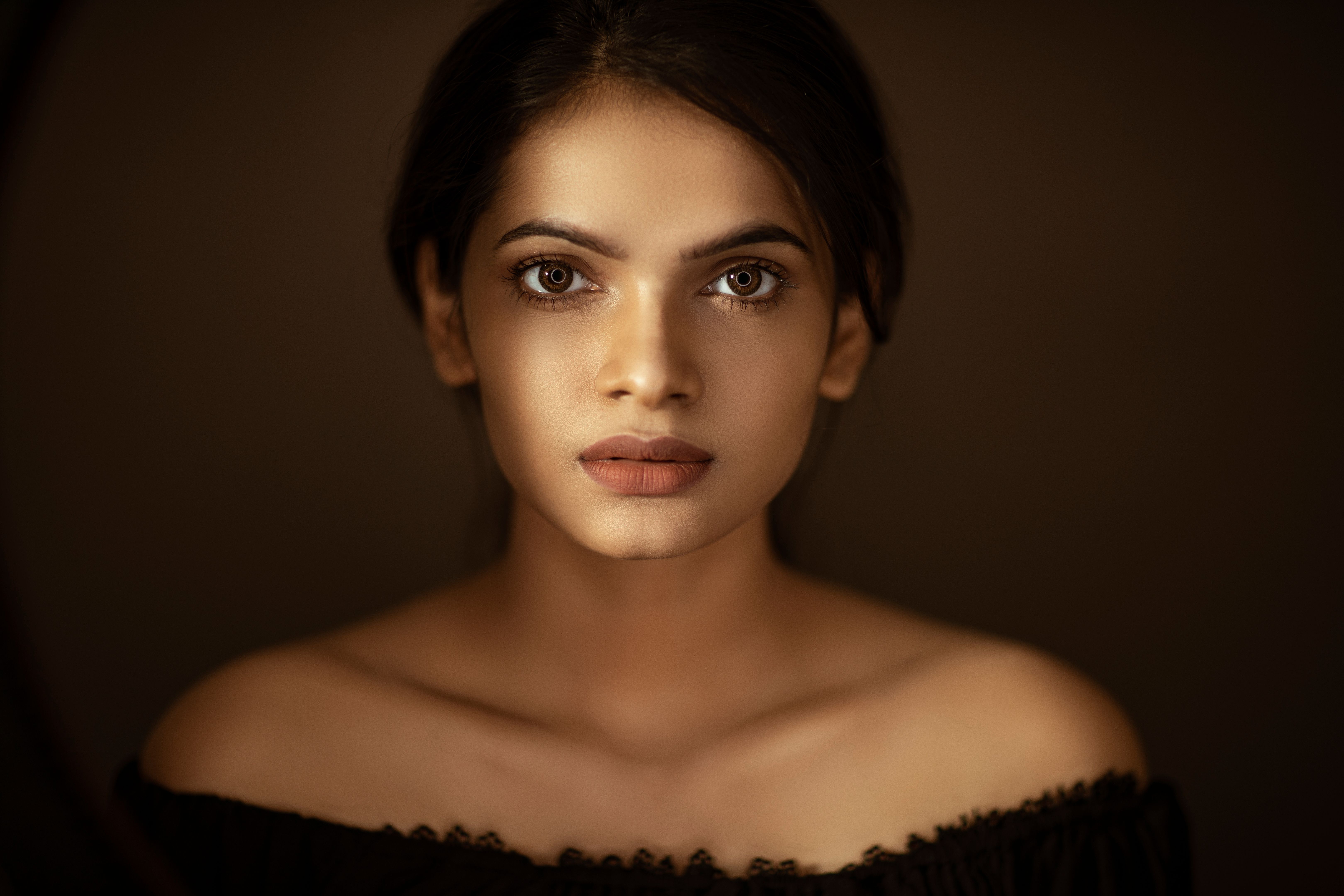
By understanding these key elements and practicing regularly, you can improve your portrait photography skills and capture moments that resonate. Remember that each portrait is a unique story waiting to be told, and with the right approach, you can create stunning results that leave a lasting impression.